
Specialty Coffee Roasting Techniques, Crafted Weekly in Mission, BC
At Grab-a-Java, specialty coffee roasting techniques are not a trend. They are the whole point. Every batch of Arabica beans is roasted in small quantities at our Mission, BC roastery, where the sounds of the cooling bin, the smell of fresh roast, and the sight of steam rising off the drum remind you that what you are holding is a living, time-sensitive product. We roast weekly because coffee, like bread fresh from a bakery, is best when it is consumed close to the day it was made. Beans sitting on a grocery store shelf for months have already lost most of the 430 flavour characteristics that make specialty coffee worth drinking. Ours have not.
New Customer Offer
10% Off Discount
Lorem ipsum dolor sit amet, consectetur adipiscing elit
(000) 000-0000
Small-Batch Roasting in Mission, BC
Why Small-Batch Roasting Produces a Better Cup
Small-batch roasting gives us control that large commercial operations simply cannot replicate. When a roaster is processing hundreds of thousands of pounds at a time, individual origin characteristics get lost. At Grab-a-Java, each roast run is sized to preserve the integrity of the bean, whether that is an Ethiopia Sidama with its floral aroma and hints of berry, a Peru single origin with bright and balanced acidity, or a Brazil Minas Gerais carrying almond and cocoa notes. The artisan coffee roasting methods we use allow us to dial in roast profiles specific to each origin, rather than forcing every bean through the same industrial curve. The result is a cup that actually tastes like where the coffee came from.

The Freshness Mandate
Coffee Has a 30-Day Window. We Take That Seriously.
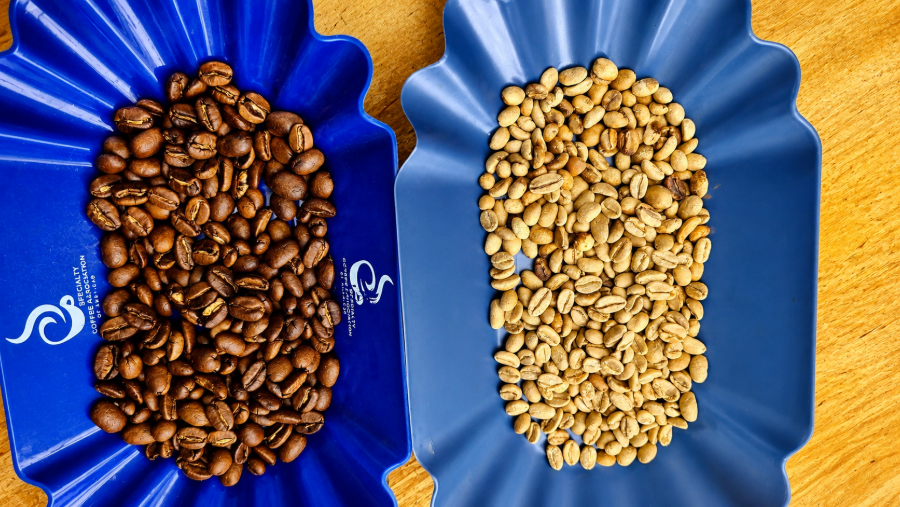
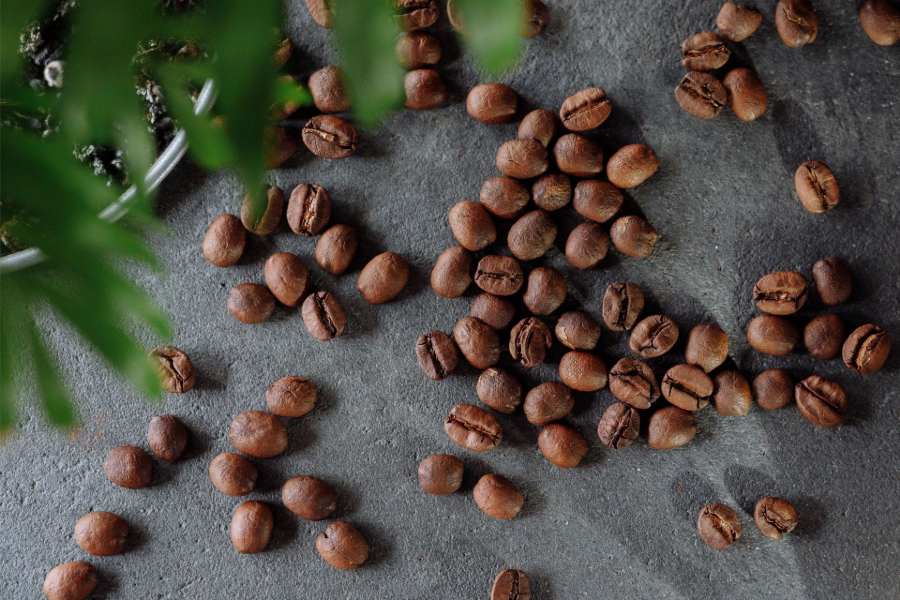
The coffee roasting process releases carbon dioxide and volatile aromatic compounds that begin fading almost immediately after the roast is complete. Industry research confirms that peak flavour and aroma characteristics are largely gone within 30 days. That is the science behind our "bakery model" of coffee: you would not buy a year's worth of bread and expect it to taste fresh in December. The same logic applies here. Grab-a-Java roasts every week so that what arrives in your hands is as close to the roast date as possible. If your coffee beans look oily and dark, that is not a sign of richness. It is a sign that the oils have oxidized and the coffee is past its prime. Fresh beans look different, smell different, and taste completely different from what you find in mass-market retail.
Ethical Sourcing Meets Expert Craft
Specialty Roast Profiles Built on Traceable, Ethical Beans
Specialty roast profiles are only as good as the green coffee they start with. Grab-a-Java sources high-quality Arabica beans grown at elevations above 4,000 feet, where slower maturation produces denser, more complex beans. Our sourcing relationships include co-ops like Santa Cristina Farms, the Oromia Coffee Co-op in Ethiopia, and the Cosurca Co-op in Colombia. Many of these relationships span 20 years or more. Every bean we roast carries USDA Certified Organic, Fair-Trade, or Café Femenino certification, or a combination of all three. The Café Femenino program specifically supports women farmers in regions like Peru and Sumatra, meaning the quality in your cup has a direct, positive impact on the communities that grew it. Our green coffee cost reflects this commitment: we pay approximately $8 per pound for our green beans, compared to the $0.60 per pound that mass-market Robusta buyers pay. That difference shows up in the flavour.
From the Roastery to Your Brewer
Understanding the Coffee Roasting Process: From Green Bean to Your Cup
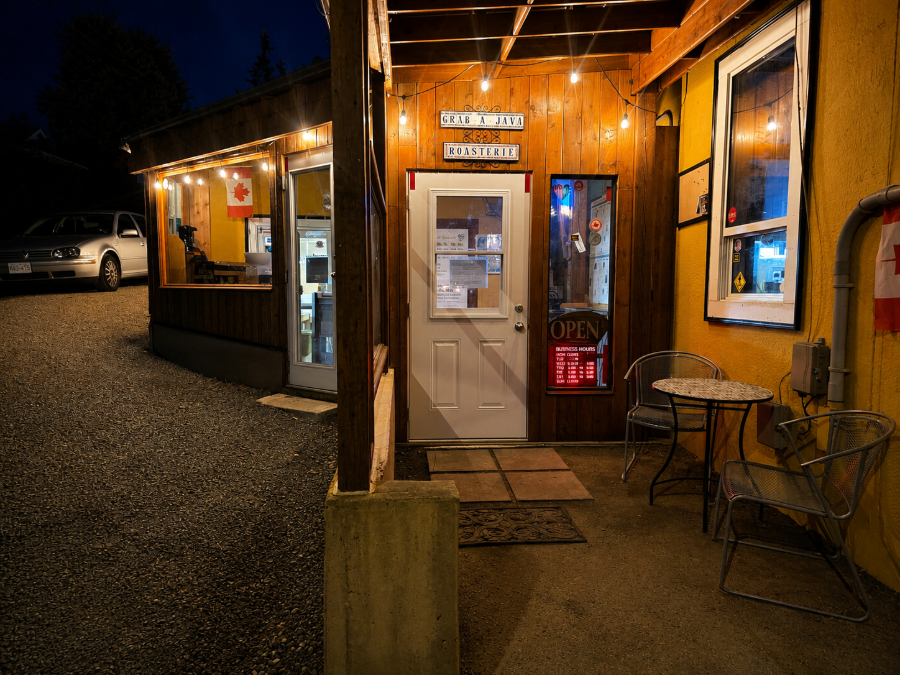
The coffee roasting process transforms a raw green bean into the aromatic, complex product you grind and brew at home. At Grab-a-Java, we roast using in-house equipment at our Mission, BC location, where the afterburner runs hot enough to fill the surrounding area with the scent of fresh roast. Lighter roast profiles preserve origin-specific characteristics like the black cherry notes found in our Rwanda single origin or the lush jungle fruit of our Colombian beans. Darker profiles, like our Full City Sasquatch or Dark Secrets blend, develop deeper caramel sweetness and cocoa notes. We also offer Swiss Water Process decaf for customers who want the full sensory experience without caffeine. Custom roasting is available for 1/2 lb, 2 lb, and 5 lb orders with a minimum three-day lead time. Standard 1 lb bags are available for pick-up at our Mission, BC roastery, priced at approximately $24 per pound, with pricing varying by variety and bag size.
Your Roasting Questions, Answered
Frequently Asked Questions About Our Roasting Process
How often does Grab-a-Java roast its coffee beans?
Grab-a-Java roasts its Arabica beans weekly at its Mission, BC roastery. This schedule is central to the brand's freshness philosophy. Coffee loses its peak aroma and flavour characteristics within approximately 30 days of roasting, so roasting in small batches on a regular cycle ensures that customers receive beans as close to the roast date as possible. This is very different from grocery store coffee, which is often roasted months before it reaches a shelf.What does small-batch roasting actually mean for the quality of my coffee?
Small-batch roasting means each production run is kept small enough for the roaster to monitor and control the specific roast profile for that particular bean. This matters because different origins, including Ethiopia Sidama, Peru, Brazil Minas Gerais, and Colombia, each have distinct flavour characteristics that require different roasting curves to bring out properly. A large commercial roaster processes enormous volumes and cannot fine-tune individual origins the way a small-batch artisan roastery can. The result is a cup that reflects where the bean actually came from.What certifications do the beans sourced by Grab-a-Java carry?
The green beans sourced by Grab-a-Java carry USDA Certified Organic, Fair-Trade, and Café Femenino certifications, depending on the specific origin. Café Femenino is a program that supports women farmers in growing regions like Peru and Sumatra. The roastery has maintained sourcing relationships with some co-ops for over 20 years. All decaf offerings use the Swiss Water Process, which removes caffeine without the use of chemical solvents.How can I tell if the coffee I already have at home has gone stale?
One of the clearest signs that roasted coffee is past its prime is an oily appearance on the surface of the beans. When coffee oils oxidize and migrate to the outside of the bean, it means the coffee has aged significantly. Fresh, properly roasted beans should not look wet or glossy. You will also notice a loss of aroma. Fresh beans smell rich and complex when you open the bag, while stale coffee has a flat, muted scent. Grab-a-Java uses a 30-day freshness window as the standard to ensure customers are always drinking coffee at its peak.Can I place a custom roasting order, and what bag sizes are available?
Yes. Standard 1 lb bags are available for regular pick-up at the Mission, BC roastery. Custom roasting is available for 1/2 lb, 2 lb, and 5 lb bag sizes, but these require a minimum three-day lead time so the beans can be roasted specifically for your order. Pricing is approximately $24 per pound for standard orders, with the final price varying by coffee variety and bag size. A $1.00 discount is available for customers who bring their own container or reuse a previous bag.What is the difference between single origin coffees and blends?
Single origin coffees come from one specific growing region or co-op, such as Ethiopia Sidama, Rwanda, or Peru through the Café Femenino program. These coffees highlight the distinct characteristics of that region, including floral aromas, bright acidity, stone fruit, or cocoa notes, depending on origin. Blends combine beans from multiple origins to create a consistent, balanced flavour profile. Grab-a-Java's core blends include Smooth Sailing, Full City Sasquatch, Full Tilt Espresso, World Gold, and Dark Secrets, each built around a specific flavour goal. Both categories are roasted fresh weekly.What is the Swiss Water Process and why is it used for decaf?
The Swiss Water Process is a chemical-free method of removing caffeine from green coffee beans. It uses water and a carbon filtration system to extract caffeine while preserving the flavour compounds in the bean. This is a significant distinction from conventional decaffeination methods, which often use chemical solvents. Grab-a-Java uses the Swiss Water Process for its decaf offerings because it aligns with the brand's commitment to clean, ethical, and high-quality sourcing. Customers who want a full sensory coffee experience without caffeine can enjoy decaf that still reflects the care put into every other roast.Does Grab-a-Java offer any guidance on brewing coffee at home?
Yes. Coffee education is a core part of what Grab-a-Java offers alongside its roasted beans. The roastery provides guidance on home-brewing methods including French press and pour-over, and stocks brewing tools such as the Hario V60 Drip Scale and Timer, designed for precise measurement of beans, water, and extraction time. The owner has deep expertise in Arabica sourcing and roast profiles, and approaches customer education the way a winemaker might approach a tasting, helping customers understand what they are drinking and how to get the best result from it at home.

REVIEWS
Real Reviews from Fraser Valley Coffee Drinkers
"Its amazing how the World begins to change through the eyes of a cup of coffee!!" - DONNA A. FAVORS. That is the kind of experience we aim to create with every bag of fresh roasted coffee we send home with a customer in Misson, BC and across the Foster Valley.